Zulfa Notes: Capturing Authentic Handwritten Style
There is a specific challenge in modern design where digital precision often clashes with the need for human connection. We spend hours perfecting layouts in software like Adobe Illustrator or Figma, yet the result can sometimes feel sterile. This is where the Zulfa Notes typeface enters the conversation. It is not merely a collection of letters; it is a script font designed to replicate the organic flow of quick, natural handwriting. For designers and creators, finding a premium font that doesn't look like a default system file is essential for standing out. Zulfa Notes offers a distinct personality that bridges the gap between professional polish and casual authenticity.
The Anatomy of Authenticity: Visual Characteristics
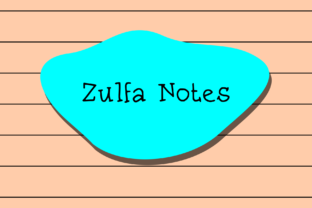
When you first encounter Zulfa Notes, the immediate impression is one of speed and fluidity. It mimics the motion of a hand moving quickly across a page, likely using a felt-tip pen or a soft brush. Unlike formal serif fonts that demand rigid alignment, or clean sans serif fonts that prioritize neutrality, this handwritten font embraces imperfection.
The letterforms feature varying baselines, which is a key trait of natural writing. If you look closely, you will notice that the connections between letters are not mechanical. They have a bounce and a rhythm that static fonts lack. The weight of the strokes varies slightly, mimicking the pressure a human hand applies when writing fast. This visual texture is crucial. It prevents the text from looking like a digital stamp. Instead, it reads like a personal note scribbled in a journal or a quick reminder on a sticky note. This aesthetic is incredibly valuable in an era dominated by AI-generated content; it signals to the viewer that a real human is behind the message.
Strategic Applications: Where Zulfa Notes Shines
Understanding the strengths of a creative font like this helps you deploy it effectively. It is rarely the right choice for body text in a novel, but it is a powerhouse for specific applications. Here is where Zulfa Notes creates the most impact:
- Logo Design and Brand Identity: For brands that want to appear approachable, artisanal, or boutique, this typeface is a strong candidate. Imagine a local coffee shop, a hand-made jewelry store, or a personal coaching service. Using Zulfa Notes in the logo immediately sets a tone of warmth and personal service. It helps build a brand identity that feels intimate rather than corporate.
- Social Media Graphics: On platforms like Instagram or TikTok, content needs to stop the scroll. Static, corporate typography often fails here. Zulfa Notes works exceptionally well for overlaying text on lifestyle photos or video thumbnails. It mimics the style of captions often used by influencers, making the content feel native to the platform.
- Packaging Design: In the world of physical goods, packaging is your silent salesperson. For products like organic cosmetics, artisanal foods, or craft supplies, this font adds tactile value. It suggests that the product inside was crafted with care, not mass-produced in a factory.
- Editorial Design and Blogs: While you wouldn't set a whole article in it, Zulfa Notes is excellent for pull quotes, subheadings, or annotations in editorial design. It breaks the monotony of standard text blocks and draws the reader's eye to key insights.
Influencing Perception and Engagement
Typography is psychological. The font you choose tells a story before the reader even processes the words. By choosing Zulfa Notes, you are influencing how your audience perceives your message. This display font creates a sense of urgency and immediacy. Because it looks like a quick note, it implies that the information is fresh, important, or a "behind-the-scenes" insight.
Furthermore, this typeface aids in visual hierarchy. In a layout mixing a standard geometric sans serif font with Zulfa Notes, the handwritten element will naturally pop. It creates a focal point that guides the viewer's eye through the page. This is a classic technique in modern typography: mixing a structured font with a script font to create contrast and visual interest. However, readability remains paramount. Because it is a script font, you must ensure the size is large enough to be legible, especially on mobile devices where fine details can get lost.
Practical Guidance for Implementation
As a designer or business owner, selecting a font involves more than just liking how it looks. You need to evaluate the technical and strategic fit. Here is a practical approach to working with Zulfa Notes:
- Font Pairing Strategy: Never use a handwritten font for long paragraphs. It fatigues the eye. Instead, pair Zulfa Notes with a neutral companion. A clean sans-serif like Montserrat or a classic serif like Garamond usually works best. The contrast allows the script to stand out without overwhelming the design. This is a fundamental rule of font pairing.
- Review the Styles: A quality commercial font often comes with more than just the standard letters. Check if Zulfa Notes includes alternate characters, ligatures, or stylistic sets. These features allow you to customize the look of specific words, making the typography look even more authentic and less repetitive.
- Licensing and Usage: Since this is a premium font, you must adhere to the licensing terms. Ensure your license covers your intended use, whether it is for web design, print merchandise, or digital products. Using a font legally is non-negotiable for professional work.
- Readability Testing: Before finalizing a design, test the text in context. Does the "a" look like a "u"? Are the capital letters distinct? Since Zulfa Notes is designed for quick writing, ensure it remains legible at the sizes you intend to use.
Adding Value to Your Design Assets
Building a library of reliable design assets is an investment in efficiency. Having a go-to font like Zulfa Notes saves time when you need to inject personality into a project quickly. It is particularly useful for content creators who need to maintain a consistent aesthetic across multiple platforms.
Consider the entrepreneur creating a digital planner. Using Zulfa Notes for the headers gives the digital product a handmade feel, increasing its perceived value. Or think of a marketer creating an email header; a splash of handwritten text can increase click-through rates by making the email feel less like an advertisement and more like a personal correspondence.
Ultimately, Zulfa Notes is more than just a script font; it is a tool for communication. It allows you to strip away the rigidity of digital design and speak to your audience on a human level. Whether you are refining a brand identity, designing packaging, or crafting social media graphics, this typeface provides the warmth and authenticity that modern audiences crave. It proves that in the world of modern typography, a little bit of imperfection is often the most perfect choice.