Painful Harmony: A Handwritten Font for Authentic Branding
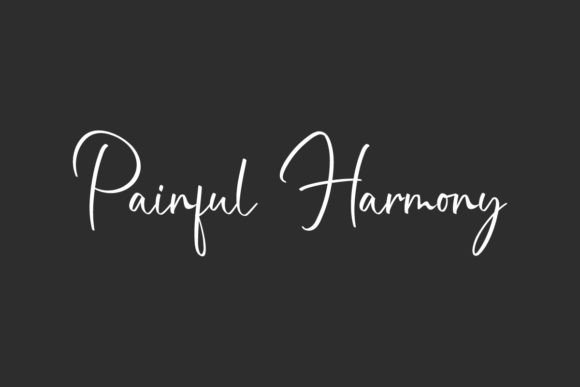
There’s a specific kind of tension in good design—the balance between something that feels personal and something that looks professional. Fonts that nail this balance are rare. Painful Harmony is one of them. It’s a casual script font with a handwritten style that doesn’t try too hard. The line thickness is just right, and the letterforms have a natural flow that’s both expressive and surprisingly legible. It’s the kind of typeface that feels like it was written by a person with good penmanship, not generated by a machine.
Where This Script Font Truly Shines
Painful Harmony isn’t a font for every situation. It’s a display font, meaning it’s designed for headlines, logos, and short bursts of text—not for body copy in a novel. Its strength lies in its personality. It brings a human touch to digital spaces and print materials that often feel sterile. Think about a wedding invitation that needs to feel intimate but elegant. Or a beauty brand’s packaging that wants to convey artisanal care. Painful Harmony fits these scenarios perfectly because it carries a warmth that more rigid typefaces lack.
For entrepreneurs and small business owners, choosing the right font is a foundational part of building a brand identity. A premium font like this one can elevate a logo design, making a business feel more established and thoughtful. It’s particularly effective for industries where trust and personal connection matter: florists, event organizers, spa and salon owners, and homeware brands. The handwritten aesthetic suggests craftsmanship and attention to detail. It tells a customer, “This was made with care.”
Practical Applications for Creators and Marketers
Let’s get specific. Imagine you’re designing social media graphics for a bakery. Using Painful Harmony for the product name or a call-to-action like “Order Fresh” adds a layer of charm that a standard sans serif font wouldn’t. In packaging design, it can help a product stand out on a shelf crowded with minimalist, geometric typography. For bloggers and content creators, it can make a website header or a newsletter title feel more personal and engaging, helping to build a stronger connection with the audience.
However, context is everything. This font works best when it’s used sparingly and intentionally. Pairing it with a clean, neutral serif or sans serif font is a classic strategy. Use Painful Harmony for the headline or a key phrase, and let a simpler typeface handle the supporting text. This creates visual hierarchy and ensures readability. For example, a wedding planner might use Painful Harmony for the couple’s names on a website, paired with a delicate serif font for the event details. The contrast creates an elegant, balanced composition.
Choosing and Using a Creative Font Like This
Before integrating any new font into your workflow, it’s wise to test it thoroughly. Download any available font pairings or style samples. See how Painful Harmony looks in all caps versus lowercase. Check the letter spacing—sometimes a handwritten font needs slight adjustments to avoid looking cramped. Evaluate its readability at different sizes, especially if you plan to use it for web design or smaller print applications like business cards.
Since this is a commercial font, understanding the licensing is non-negotiable. Ensure the license covers your intended use, whether it’s for a single client project, unlimited commercial use, or for creating products for sale, like printed templates or merchandise. A reputable font foundry will be clear about these terms. Investing in a properly licensed premium font protects you legally and supports the designers who create these valuable assets for the creative community.
Ultimately, Painful Harmony is more than just a script font. It’s a design tool for adding authenticity. In a world of slick, impersonal digital experiences, it offers a touch of the human hand. Used thoughtfully, it can help a brand tell a more compelling story, connect on an emotional level, and create a visual identity that feels both unique and trustworthy. It’s a typeface that understands that sometimes, the most harmonious designs come from embracing a little creative tension.