Fingerline: The Modern Handwritten Script for Authentic Design
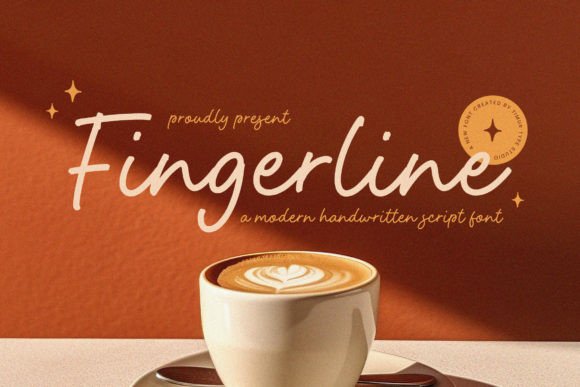
Finding a font that feels both personal and polished can be a real challenge. You want something that doesn't look like it came off a factory line, but it also needs to be legible and professional. That's where a typeface like Fingerline comes in. It’s a modern handwritten script font designed to strike that exact balance. Think of it as the digital equivalent of a confident, clear hand—not a messy scrawl, but not a stiff, formal script either. Its flowing strokes and gentle curves give off an effortless grace, making it a versatile tool for anyone looking to add a genuine human touch to their work.
What makes Fingerline stand out in a crowded field of script fonts is its careful construction. Each letter is crafted with attention to detail, ensuring it remains readable even at smaller sizes. This isn't just another decorative typeface; it's a workhorse for projects that need personality without sacrificing clarity. The font carries a distinct warmth and approachability, which can be a powerful asset in connecting with an audience on a more personal level.
Where Fingerline Truly Shines
This isn't a font for setting long paragraphs of body copy. Its strength lies in applications where you want to capture attention and convey a specific mood. For branding, Fingerline can be a fantastic choice for logos, especially for businesses in the lifestyle, wellness, boutique retail, or creative service sectors. It immediately signals that a brand is human-centered and thoughtful. Imagine it on a coffee shop menu, a handmade jewelry tag, or the masthead of a lifestyle blog—it just fits.
Its charm extends beautifully into editorial design and packaging design. Think of a cookbook title, a chapter opener in a novel, or elegant product packaging for artisanal goods. The font adds a layer of sophistication that feels curated, not generic. In the digital space, it's a powerhouse for social media graphics, blog post headers, and website hero sections where you need a strong, engaging visual statement. It’s a creative font that works seamlessly across both print and digital mediums, making it a valuable addition to any designer's toolkit of design assets.
Making the Right Design Choices
Integrating a script font like Fingerline into a project requires a bit of strategy. The first rule is context. It excels as a display font—think headlines, logos, and pull quotes. Trying to use it for body text would undermine its readability and your message. Its real power is unlocked when you pair it thoughtfully. A classic and effective font pairing is to use Fingerline for your main headline and pair it with a clean, neutral sans serif font for subheadings and body text. This creates a clear visual hierarchy, letting the script font deliver its personality without overwhelming the reader.
Before committing, always test the font in your specific context. How does it look at the size you'll use it? Does it maintain its charm when printed on different materials? If you're building a brand identity, consistency is key. Check what styles are included in the package. Does it have the weight variations you need? Does it include essential alternates or ligatures that might enhance your designs? For any commercial project, verifying the commercial font license is non-negotiable to ensure you're using it legally.
Ultimately, the goal of using a typeface like Fingerline is to influence how your audience perceives and engages with your content. It can soften a corporate brand, elevate a small business's logo design, and make a publisher's layout feel more intimate. It’s a tool for building recognition and fostering a connection. In the world of modern typography, finding a font that offers both aesthetic appeal and practical utility is a win. Fingerline presents itself as a strong contender for designers, marketers, and creators who need their work to feel both authentic and impeccably crafted.