Sweet Spring: Your Go-To Script for Authentic Design
In a digital landscape crowded with sterile, geometric sans serif fonts, finding a typeface with genuine personality can feel like a quest for hidden treasure. You need something that captures attention without shouting, something that feels both crafted and approachable. Enter Sweet Spring, a playful and modern script font designed to inject a sense of adventure and authenticity into your creative work. It’s more than just a collection of letters; it’s a design asset that can define the very character of a project.
Understanding the Visual Character of Sweet Spring
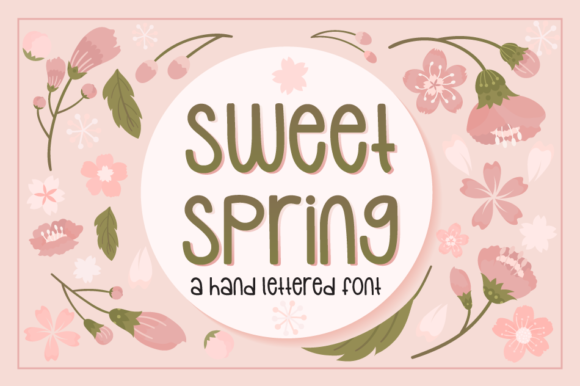
At its core, Sweet Spring is a premium font that strikes a beautiful balance between spontaneous energy and careful design. Its letterforms mimic the fluid motion of a brush or marker, but without the messy imperfections that can sometimes hinder legibility. The strokes have a natural, varied weight that gives the text a dynamic, hand-lettered quality. This isn't a rigid, formal script; it’s a creative font with a warm, inviting rhythm. The connections between letters are thoughtfully crafted, allowing for a smooth flow that feels organic rather than forced. Its overall style is contemporary, making it a perfect fit for modern branding and design trends that favor a human touch.
Where Sweet Spring Truly Shines: Practical Applications
The true value of any typeface is revealed in how it performs across different mediums. Sweet Spring’s versatile personality makes it a strong contender for a wide array of projects.
For Brand Identity and Logo Design
A logo is often the first handshake between a brand and its audience. Using Sweet Spring in logo design can instantly communicate values of creativity, warmth, and approachability. It’s an excellent choice for businesses like boutique bakeries, wedding planners, lifestyle blogs, artisanal product lines, or any service that wants to project a friendly, personalized image. Paired with a clean sans serif font for body text, it creates a compelling font pairing that establishes a clear visual hierarchy and a memorable brand identity.
In Marketing and Social Media Graphics
On platforms like Instagram or Pinterest, where visuals reign supreme, a standout font can stop a scroll. Sweet Spring is ideal for creating impactful quotes, promotional graphics, and story highlights. Its display font qualities make headlines pop, while its readability at various sizes ensures your message gets across clearly. For entrepreneurs and marketers, this font is a tool for creating cohesive and eye-catching social media graphics that feel personal and engaging, helping to build a stronger connection with your audience.
Across Publishing and Editorial Design
While a script font isn’t suitable for long blocks of body copy, Sweet Spring finds its niche in editorial design as an accent font. Think chapter titles in a cookbook, pull quotes in a magazine feature, or stylized headers on a blog. It can add a layer of elegance and personality to packaging design, especially for product labels that need to convey a handmade or premium quality. For publishers and content creators, it’s a way to break the monotony of standard serif font and sans serif layouts, guiding the reader’s eye to key information with flair.
Integrating Sweet Spring into Your Design Workflow
Choosing a new font is a significant decision. Here’s some practical guidance for evaluating whether Sweet Spring is the right fit for your next project.
- Evaluate Project Fit: Before you commit, consider the project’s tone. Is it meant to be playful, romantic, adventurous, or sophisticated? Sweet Spring excels in contexts that call for a human, authentic, and slightly whimsical touch. It might not be the best choice for a corporate law firm’s annual report, but it’s perfect for a children’s book cover or a café’s menu.
- Test Font Pairings: No font is an island. The effectiveness of Sweet Spring will often depend on what it’s paired with. For maximum impact and readability, combine it with a neutral, highly legible sans serif font like Open Sans, Lato, or Montserrat for body text. You could also pair it with a sturdy serif font for a more classic, editorial feel. Always test your pairings in the context of your actual design.
- Review Included Styles: A quality commercial font often comes with more than one style. Check if Sweet Spring includes alternate characters, ligatures, or stylistic sets. These features can be invaluable for customizing your lettering, avoiding repetitive characters, and solving specific design puzzles, like making two adjacent letters connect more naturally.
- Prioritize Readability: As with any handwritten font, context is key. Use Sweet Spring for headlines, short phrases, and logos where character count is low. Avoid setting paragraphs or small-sized body text with it. Always print a test or view it on multiple screens to ensure it remains clear and legible for your intended use.
- Understand the License: If you’re using this for a client project, a product for sale, or any commercial venture, you must use a properly licensed commercial font. Review the license agreement that comes with Sweet Spring to understand its permitted uses. This is a non-negotiable step in professional design work that protects both you and your client.
Ultimately, a font like Sweet Spring is more than just a set of glyphs. It’s a tool for storytelling. By understanding its visual strengths and applying it thoughtfully, you can leverage this modern typography asset to create designs that are not only beautiful but also deeply resonant with your intended audience. It’s about choosing a voice for your visuals that feels genuinely, compellingly human.