Written: The Sophisticated Script for Modern Branding
There’s a specific kind of elegance that lives in the space between a perfectly polished print and the raw, human stroke of a pen. It’s a feeling of effortlessness, of intention, and of authentic connection. For designers, entrepreneurs, and creators seeking to capture that feeling, the Written typeface emerges as a compelling solution. This isn’t just another script font; it’s a sophisticated display font engineered to bridge the gap between high-end refinement and the rustic charm of artisanal handwriting.
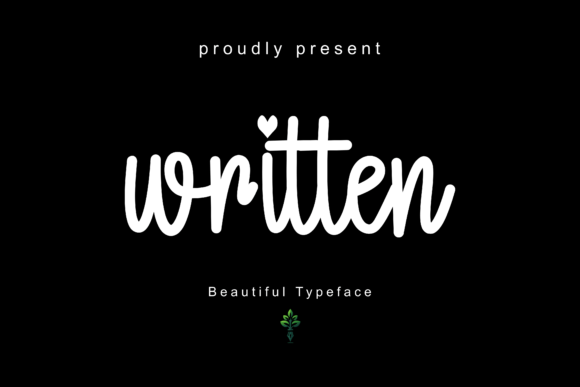
At its core, Written is a modern typography workhorse. Its visual personality is one of confident grace. The letterforms flow with a natural, connected rhythm reminiscent of skilled calligraphy, yet they maintain a clean, legible structure that prevents them from feeling overly ornate or dated. You’ll notice subtle, intentional variations in stroke weight and gentle, sweeping terminals that give it life without sacrificing clarity. This balance makes it a premium font with a unique edge—it feels personal and crafted, but also sleek and professional enough for a boardroom.
Where Written Truly Shines: From Invitations to Identities
The true test of any creative font is its versatility. Written excels precisely because it adapts its sophisticated charisma to a wide array of projects, moving seamlessly between the personal and the commercial.
- Wedding & Event Stationery: This is its native habitat. For wedding invitations, save-the-dates, and programs, Written instantly sets a tone of romantic elegance. It’s equally effective for upscale galas, boutique launches, or milestone celebrations, where the invitation itself is part of the experience.
- Branding & Identity: Think beyond standard logo design. While a full logo set in a script can be challenging, Written is perfect for the logotype of a boutique agency, a high-end florist, a personal coach, or a luxury artisan brand. It communicates a brand identity built on craftsmanship, attention to detail, and a personal touch. Use it for taglines, brand marks, or hero text on a website to establish immediate emotional resonance.
- Marketing & Social Media: In the noisy digital landscape, a touch of human warmth stands out. Written is a powerful tool for creating impactful social media graphics. Use it for quotes, promotional announcements, or header text on Instagram stories. Its personality helps your message feel less like an ad and more like a thoughtful note from a friend, boosting audience engagement and shareability.
- Publishing & Editorial Design: In editorial design, Written can function as a captivating drop cap, a chapter title, or pull-quote font. It draws the reader’s eye and adds a layer of visual interest to magazines, book covers, or blog headers, creating a sophisticated hierarchy that guides the reader through the content.
- Packaging & Physical Products: For product labels, gift tags, thank-you cards, and packaging design, this handwritten font adds a tangible, artisanal quality. It suggests the product inside was made with care, perfect for cosmetics, gourmet foods, stationery, or handmade goods.
Making It Work: Practical Guidance for Designers and Creators
Choosing a font is a strategic decision. Here’s how to evaluate and implement Written effectively in your projects.
Evaluating Project Fit and Readability
Before you commit, consider the context. Written is a display font, meaning its strength is in headlines, titles, and short bursts of impactful text. It is not designed for long paragraphs of body copy. For readability, pair it with a clean, neutral serif font or sans serif font. A classic combination might be Written for a headline with a typeface like Lora or Open Sans for supporting text. This creates a clear visual hierarchy, where the script provides personality and the companion font ensures clarity and comfort for extended reading.
Testing Font Pairings and Exploring Styles
A great font pairing feels balanced, not competing. The elegance of Written grounds well with both geometric sans serifs (like Montserrat) for a modern contrast, or with old-style serifs (like Garamond) for a more classic, literary feel. Always test your pairings in context—mock up a business card, a website header, and a social media post to see how the relationship holds up at different sizes.
Furthermore, a robust commercial font like Written often comes with more than just the basic alphabet. Thanks to PUA encoding, you have effortless access to a full suite of symbols, decorative swashes, and stylistic alternates. These are not just extras; they are essential design assets. A swash can turn a simple "and" (&) into a decorative flourish, or a stylistic alternate can give a key letter in a logo a unique, memorable form. Taking the time to explore these features allows you to truly customize the typeface and make it your own.
Understanding Licensing and Professional Use
For any project that will be used commercially—whether it’s a client’s logo, a product for sale, or marketing materials—a proper commercial license is non-negotiable. It’s the foundation of professional practice. Ensure the license covers your intended use, whether for digital, print, or merchandise. This protects you and your client and ensures the font creator is supported for their work.
In the end, Written is more than just a collection of glyphs. It’s a tool for injecting a specific, valuable emotion into your work: the emotion of considered, human craftsmanship. By understanding its strengths, respecting its role in the typographic hierarchy, and leveraging its full feature set, you can use it to transmute your imaginative ideas into visually compelling masterpieces that resonate deeply with your audience.