Amalia: A Handwritten Font for Romantic Design
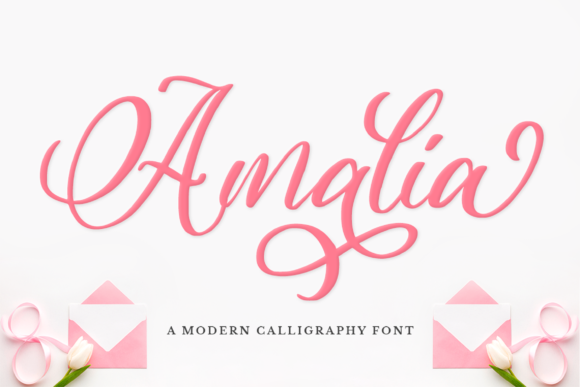
When a project calls for a human touch, a standard sans serif font often falls short. You need something with personality, warmth, and a sense of authenticity. This is where a high-quality script font like Amalia becomes an invaluable asset. It’s more than just letters on a page; it’s a tool for storytelling. Amalia is an enchanting, flowing handwritten font designed to inject a romantic and personal feel into a wide array of creative work. Its carefully crafted ligatures and swashes give it a natural, handwritten quality that feels both elegant and approachable.
Unlike many ornate scripts that sacrifice legibility for style, Amalia strikes a thoughtful balance. The letterforms are connected in a way that mimics the natural flow of a pen, yet each character remains distinct enough to be read with ease, especially at display sizes. This makes it a versatile display font suitable for headlines, logos, and other prominent text elements where you want to make an immediate emotional connection. Its appeal lies in its ability to be both expressive and functional, a rare combination in the world of creative fonts.
Where Amalia Truly Shines: Practical Applications
Understanding a font's strengths is key to using it effectively. Amalia’s romantic and elegant personality makes it a perfect fit for specific contexts where emotion and sophistication are paramount. Thinking about its application across different mediums will help you leverage its full potential.
Branding and Logo Design
For brands in the wedding, beauty, lifestyle, or artisanal food sectors, Amalia can form the core of a memorable brand identity. Imagine it on a wedding planner’s business card, a boutique bakery’s packaging, or the logo for a handcrafted jewelry line. It communicates care, quality, and a personal touch instantly. When used for logo design, it’s crucial to pair it with a simpler typeface. A clean sans serif font for body text provides a beautiful contrast, ensuring the overall design remains professional and readable. This font pairing strategy prevents the design from becoming visually cluttered while allowing Amalia’s charm to take center stage.
Editorial and Publishing
In editorial design, Amalia can elevate a layout from ordinary to extraordinary. It’s an excellent choice for pull quotes, chapter titles in a novel, or the masthead of a lifestyle magazine. Using it sparingly creates powerful focal points that draw the reader's eye. For a blogger or publisher, it can add a layer of personality to a website’s featured image text or a newsletter header, making the content feel more curated and engaging. The key is to treat it as an accent, not the workhorse. Body copy should almost always be set in a highly legible serif font or sans serif to ensure a comfortable reading experience.
Packaging and Print Collateral
The tactile world of print is where a script font like Amalia can truly come alive. Consider its use in packaging design for a candle company, a line of artisanal soops, or gourmet chocolates. The font’s romantic flair enhances the perceived value and artisanal quality of the product. It’s equally effective on greeting cards, invitations, posters, and gift tags. The flowing lines of Amalia add a sense of celebration and thoughtfulness that resonates deeply with the recipient. As a premium font, it often includes stylistic alternates and ligatures that allow for further customization, ensuring your designs feel unique.
Digital Presence and Social Media
While not intended for long-form web design body text, Amalia can dramatically improve a site's visual hierarchy. Use it for H2 or H3 headings to add a touch of elegance, or in a call-to-action button to make it feel more inviting. Its impact is perhaps most significant on social media graphics. A quote graphic, a promotional announcement, or a story template featuring Amalia will stand out in a crowded feed. The font’s inherent personality helps stop the scroll and communicates a message with feeling, which is essential for building an engaged audience online.
Making the Most of Amalia: A Practical Guide
Integrating a new typeface into your workflow requires a thoughtful approach. To ensure Amalia works for you and not against you, consider these practical steps for evaluation and implementation.
Evaluating Fit and Readability
First, assess if the font’s personality aligns with your project’s goals. Amalia is romantic and elegant, so it’s a poor fit for a corporate financial report but a perfect match for a wedding invitation. Always test the font at the size you intend to use it. While it excels as a display font at larger sizes, its readability can diminish in small, lengthy paragraphs. Print out a sample or view it on multiple screens to check for clarity. This step is non-negotiable for maintaining professionalism.
Mastering Font Pairings
A great design is often a conversation between typefaces. Pair Amalia with a neutral, well-structured serif font like Garamond or a geometric sans serif font like Montserrat. The contrast between the expressive script and the stable, readable companion creates a dynamic and balanced visual hierarchy. Avoid pairing it with another decorative or script font, as this will lead to competition and confusion. The goal is to let Amalia be the star, supported by a reliable cast.
Understanding Licensing and Files
When you acquire a commercial font like Amalia, you are purchasing a license to use it, not the font itself. Carefully review the licensing terms to understand where and how you can use it (e.g., on websites, in print, for client work). A quality premium font package will include multiple file formats (like .OTF, .TTF, .WOFF) and often a web font kit for easy online implementation. Look for what’s included—does it have multilingual support, stylistic sets, or extra glyphs? These details are markers of a professional-grade design asset and give you more creative flexibility.
Ultimately, Amalia is a tool for connection. By understanding its character and applying it with intention, you can use this beautiful typeface to create work that feels personal, polished, and profoundly engaging. It’s a testament to how the right letterforms can transform a simple message into a memorable experience.